Cosmetic & Restorative Inlays & Onlays
Providing a Lifetime of Dentistry that Cares
What are Inlays & Onlays?
If your teeth have experienced decay or damage, dental inlays or onlays may be recommended. This restorative option involves the use of a strong prosthetic material that helps strengthen and restore the durability of the damaged tooth.
Dental inlays are prosthetics made with ceramic or porcelain (although gold is sometimes used). An inlay is placed inside the grooves of the biting area or the indented top surfaces of a tooth. These inlays effectively restore the strength of a tooth, which makes it easier for a patient to bite down and chew. In addition to restored strength, dental inlays also improve the overall appearance of a tooth.
Onlays are used for patients who have experienced more loss of tooth structure. Onlays are made from the same filling as inlays and extend to the cusp of the tooth. Once the onlay has been set properly, patients will find that they have regained a great deal of their strength, which will allow them to be better able to chew and bite.
Nearly all patients are candidates for inlays and onlays. At Brook West Family Dentistry, we are committed to providing our patients with the care and support they need. If you are scheduled to have this procedure or have any questions, please contact our staff to see if inlays and onlays are right for you. We are proud to provide one-of-a-kind personalized care that is tailored to your unique needs.


Caring for Your Inlays & Onlays
It is not uncommon for patients to experience some numbness or irritation following this procedure. Avoiding hot or cold beverages, along with eating sticky foods, will help limit this discomfort.
As soon as the discomfort and numbness have subsided, dramatic changes to your diet and or eating habits will not be necessary to properly maintain the inlays and onlays. Be sure that you maintain good dental hygiene practices by brushing and flossing at least twice daily, and continue scheduling your dentist appointments every six months. These checkups are especially important because they will give your dentist the opportunity to monitor the health of your teeth and potentially warn you of developing decay, which can lead to a root canal or even tooth removal.
Comprehensive Dental Services
We offer comprehensive care for all your dental needs, from dental cleanings to full cosmetic dentistry. We work to improve your smile.
Cosmetic Dentistry
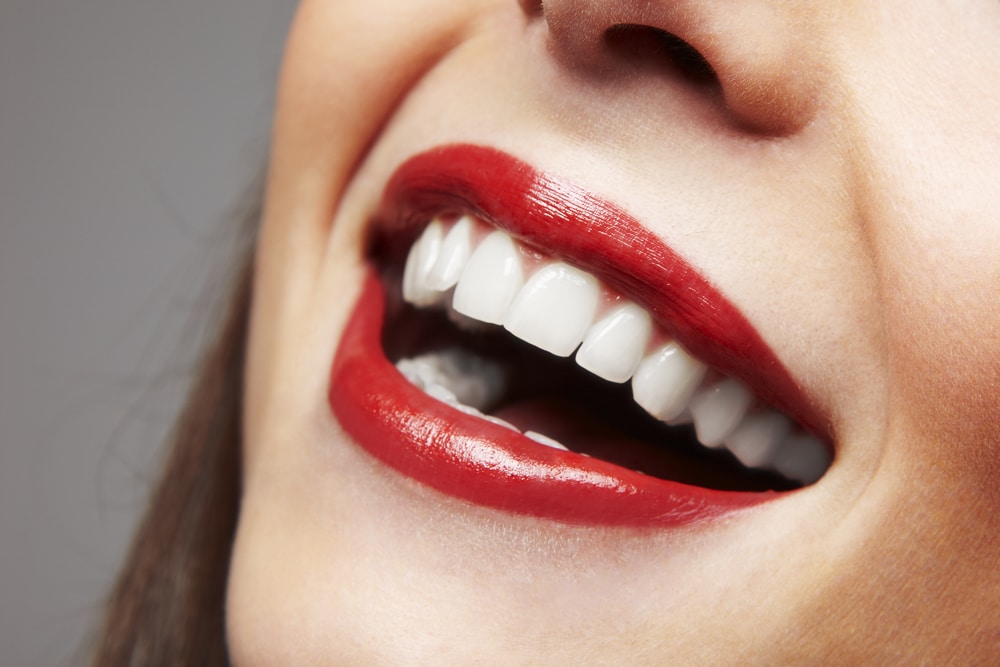
The first thing most people notice about you is your smile. Advances in cosmetic dental care have made it possible for a dentist with the right training, qualifications, and expertise to completely redesign your smile.

Porcelain Veneers
Veneers are used to address issues like stains, chips, and discolored teeth, and can also improve a crooked tooth or teeth that are at an unwanted length or size. The actual veneers are incredibly thin, custom-made shells that are designed to match the specific color of your teeth and cover the front surface of the selected teeth.

Dental Implants
Dental implants are the closest replacement to a natural tooth, and they are designed to allow patients to complete their smile and begin chewing and biting like they used to. Dental implants also help maintain the integrity of the jawbone and actively save the jaw from additional bone loss.
Sedation Dentistry
Sedation dentistry refers to the sedation of a patient during a procedure. There are various forms of sedation that a dentist may choose from, and there are different levels of sedation dentistry.