Gum Recession Therapy
Providing a Lifetime of Dentistry that Cares
What is Gum Recession?
Gum recession is a common side effect of gum disease (periodontitis). When a patient has repeated or consistent infection in their gums, pockets can begin to form between the teeth and the gums. Eventually, this causes the gums of the patient to shrink away from the tooth. As diseased gum tissue dies, the recession increases. If left untreated for long enough, the gum can eventually recede back to the root of the tooth.
This receding of the gums can happen so slowly that many people do not even realize it is happening until it has already progressed. Once they reach this point, the tooth root has become exposed, which opens it up to infection, deterioration, and decay.
At Brook West Family Dentistry, we are committed to providing our patients with the care and support they need. If you are struggling with gum recession and have any questions or would like to schedule an appointment, please contact our staff, who will be happy to answer any and all of your questions. We are proud to provide one-of-a-kind personalized care that is tailored to your unique needs.


Common Causes of Gum Recession
There are several different reasons why gums may begin to recede, some of which are genetic, but most of which relate to oral health practices that, if implemented, can prevent the progression of the issue. These causes include the following.
Genetics: Some people are simply more likely to develop gum recession and gum disease than others because they are genetically predisposed to do so. It is important to determine early on if you are one of those people. It is also important to be aware that there are procedures that can help repair the damage that has occurred.
Periodontal Disease: This is caused by a more aggressive build-up of bacteria and is a more severe form of gum disease that needs to be treated right away. Common symptoms include excessive bleeding from the gums and plaque build-up that has spread below the patient's gum line. If you have reached this stage, you will most likely need to schedule deep cleanings, regular follow-ups, and potentially have tissue and root therapy, unless it has developed even further, in which case, more intensive procedures may be required.
Tooth Brushing: Many people do not realize that aggressive tooth brushing can be a leading contributor to gum recession. People who use a hard-bristle toothbrush or have an incorrect brushing technique can end up damaging the connective tissue, causing the gums to recede. For this reason, we recommend using a soft-bristle toothbrush and using proper technique to avoid damaging your gums.
Misaligned Bite: Having an incorrect bite means that your teeth come together unevenly. People who have this experience experience excessive wearing, tearing, and strain on both their teeth and their gums. If left uncorrected long enough, this will cause the gums to recede and bone loss to occur, eventually leading to tooth loss.
Comprehensive Dental Services
We offer comprehensive care for all your dental needs, from dental cleanings to full cosmetic dentistry. We work to improve your smile.
Cosmetic Dentistry
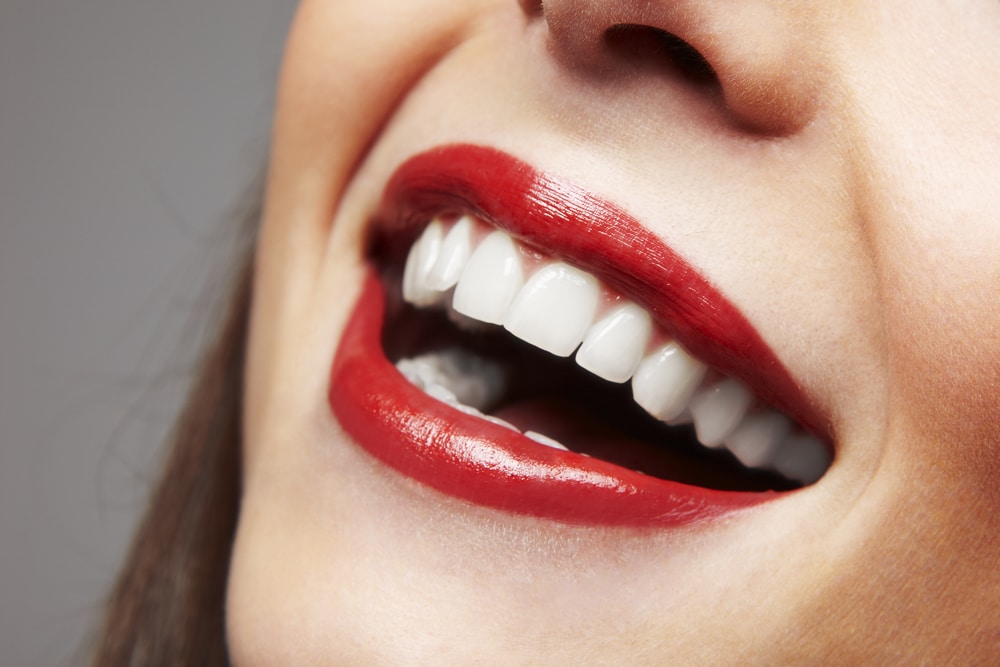
The first thing most people notice about you is your smile. Advances in cosmetic dental care have made it possible for a dentist with the right training, qualifications, and expertise to completely redesign your smile.

Porcelain Veneers
Veneers are used to address issues like stains, chips, and discolored teeth, and can also improve a crooked tooth or teeth that are at an unwanted length or size. The actual veneers are incredibly thin, custom-made shells that are designed to match the specific color of your teeth and cover the front surface of the selected teeth.

Dental Implants
Dental implants are the closest replacement to a natural tooth, and they are designed to allow patients to complete their smile and begin chewing and biting like they used to. Dental implants also help maintain the integrity of the jawbone and actively save the jaw from additional bone loss.
Sedation Dentistry
Sedation dentistry refers to the sedation of a patient during a procedure. There are various forms of sedation that a dentist may choose from, and there are different levels of sedation dentistry.